Vascular Aesthetics
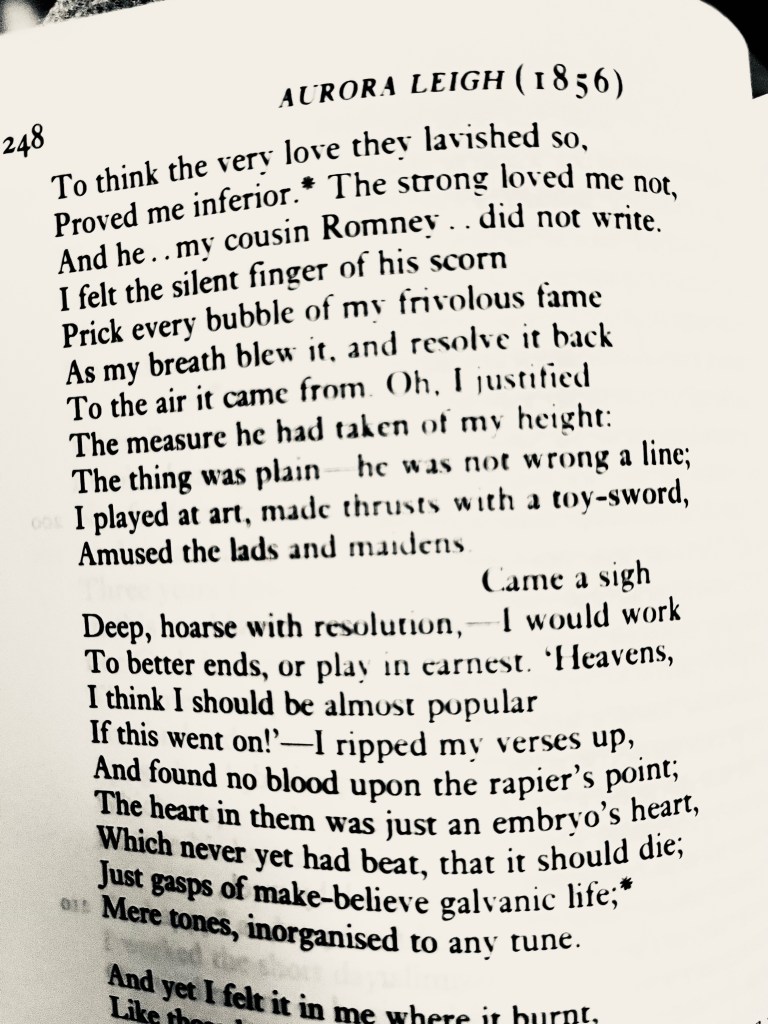
What does blood have to do with British poetry in the nineteenth century? As medical scientists and practitioners became increasingly invested in accurately describing the inner spaces of the body, the integrated actions of body parts, and the material origins and symptoms of disease, so, too, I argue, did poetry become more empowered to articulate the visceral intricacies of embodied selfhood. My current research project takes blood as its focus and argues that vascular mechanisms are integral to how nineteenth-century poets imagine and map the inner spaces of the self and make sense of creativity, ambition, desire, and suffering as embodied experiences. By the end of the eighteenth century, the convergence of entrenched medical paradigms, like humoral and mechanist theories of physiology, with new concepts in biochemistry, neurophysiology, and reproductive medicine situated blood and vascular mechanisms as principal signifiers of health and disease. Through analyses of poetic and medical texts, I argue that poets adapted physiological discourses of blood to form the aesthetics of their poetry and to locate the inner life of the self in the vital substances and functions of the body.
 Mary Taylor Mann